
Easy Parking Starts Here
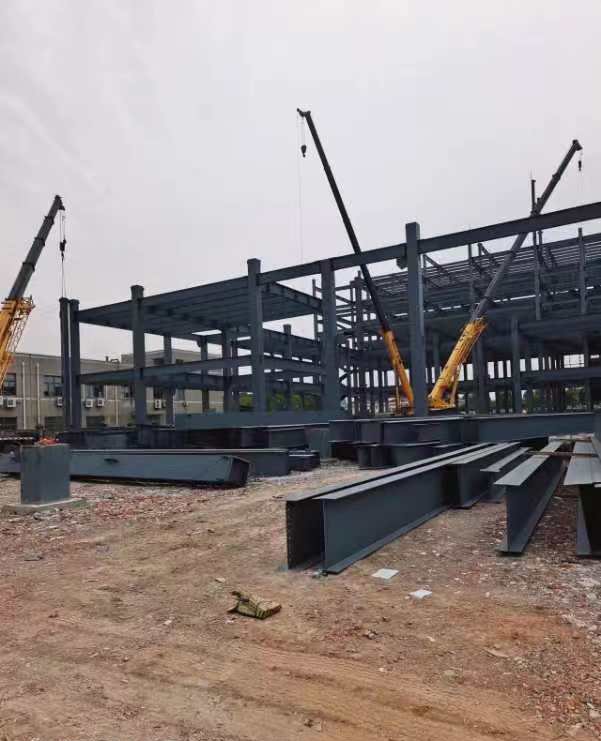
Finding a cost-effective steel structure engineering solution is a key goal for developers, contractors, and architects. Steel structures are widely used in factories, warehouses, bridges, and commercial buildings due to their strength, flexibility, and efficiency. However, achieving high cost performance requires strategic design, material selection, and project management. Studies show that optimizing design and using modern fabrication technologies can reduce structural costs by 10–20%. (ResearchGate, 2023)
1. Optimize Structural Design Early
A cost-effective project starts with smart design. Engineers can reduce costs by using lightweight but strong steel members and simplified joint connections. According to the Journal of Constructional Steel Research, structural optimization at the conceptual stage can save up to 15% of total steel usage. (ScienceDirect, 2022)
In addition, digital modeling tools like Building Information Modeling (BIM) help detect potential conflicts before construction. This proactive approach reduces material waste and minimizes rework, saving both time and money.
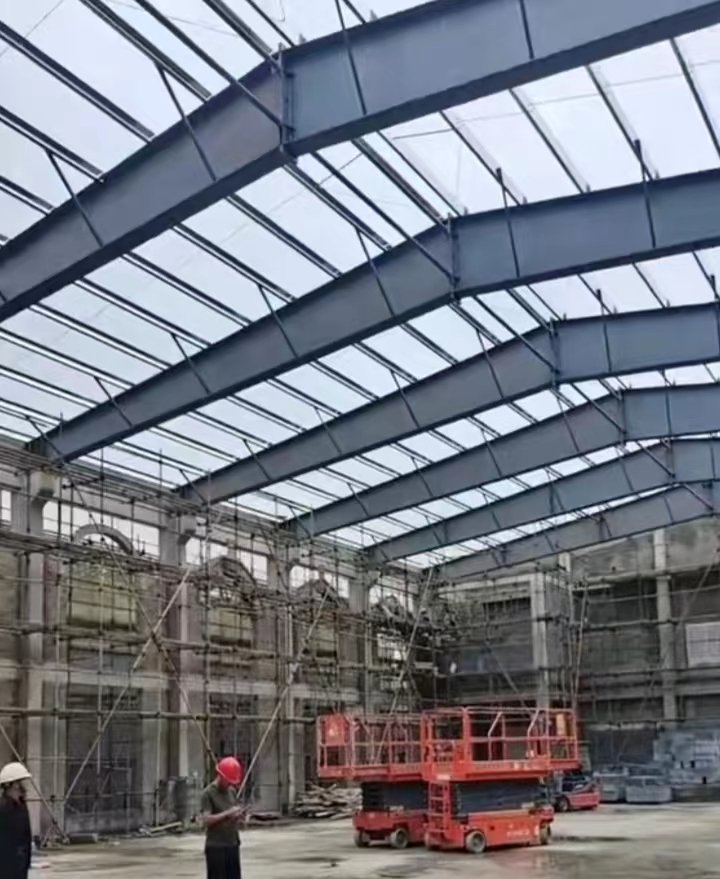
2. Select the Right Materials
Choosing appropriate materials directly impacts overall cost. For example, using high-strength low-alloy (HSLA) steel can reduce weight while maintaining performance. A report by SteelConstruction.info notes that HSLA steel can cut material use by 8–12% without compromising safety. (steelconstruction.info, 2023)
Moreover, purchasing locally produced steel helps lower logistics costs and lead times. By balancing performance and availability, engineers can ensure the most economical use of resources.
3. Simplify Fabrication and Installation
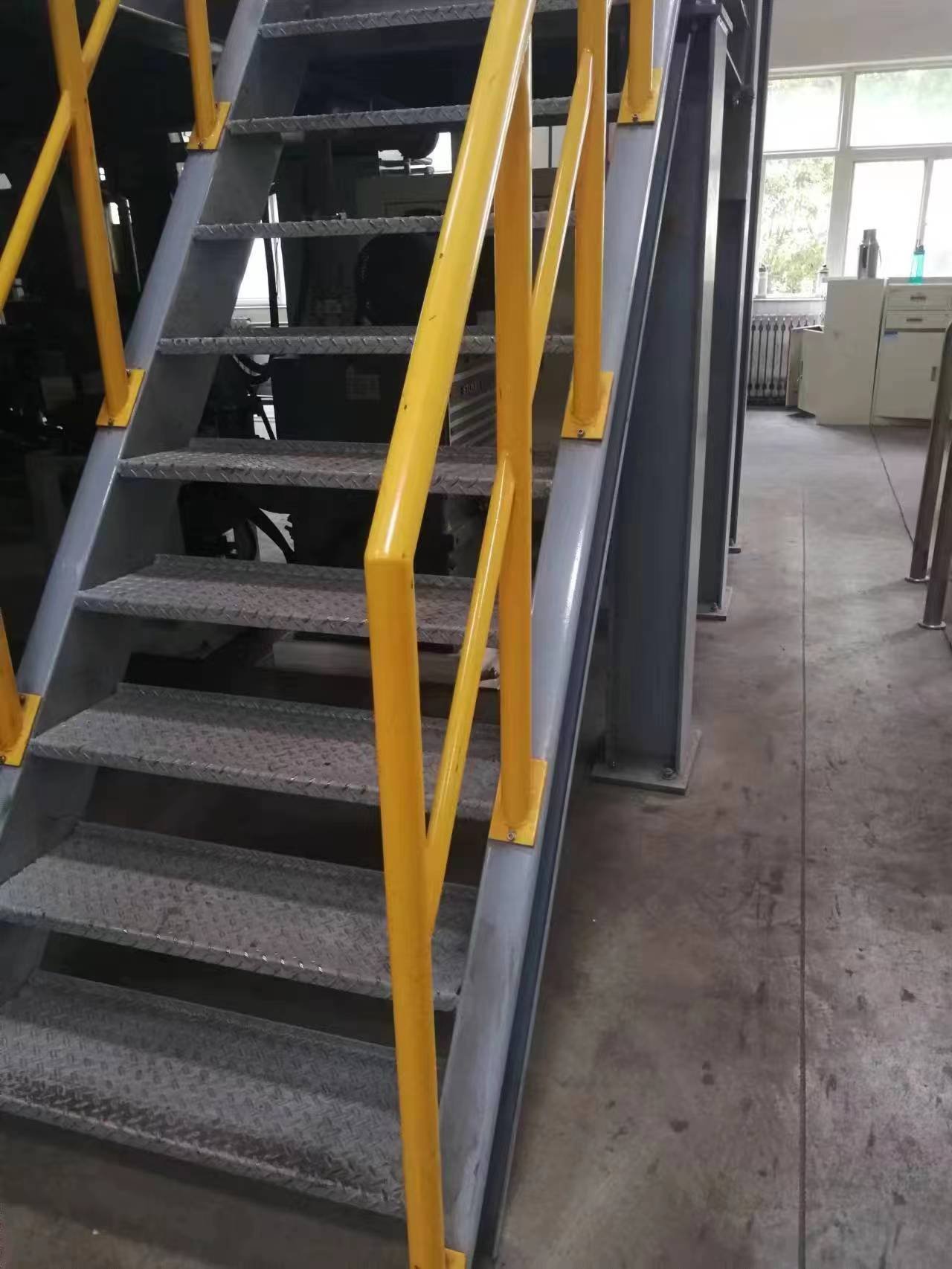
The fabrication and assembly process strongly affects project economics. Prefabricated steel components allow for faster installation and fewer on-site errors. Research from the International Journal of Steel Structures found that prefabrication shortens project schedules by 25–30%. (SpringerLink, 2021)
Furthermore, using standardized components—such as modular beams and bolted joints—simplifies logistics and reduces labor costs. This approach also improves quality control, as parts are manufactured under strict factory standards rather than exposed site conditions.
4. Focus on Lifecycle Value, Not Just Initial Cost
A truly cost-effective steel project considers long-term value. While initial costs matter, maintenance, durability, and energy efficiency determine real savings over time. Studies show that galvanized or coated steel structures can extend service life by more than 25 years, significantly reducing maintenance expenses. (MDPI Sustainability Journal, 2022)
Moreover, recyclable steel enhances sustainability and lowers end-of-life costs. As sustainability becomes a key project requirement, lifecycle performance is now as critical as upfront investment.
5. Collaborate with Experienced Engineers and Suppliers
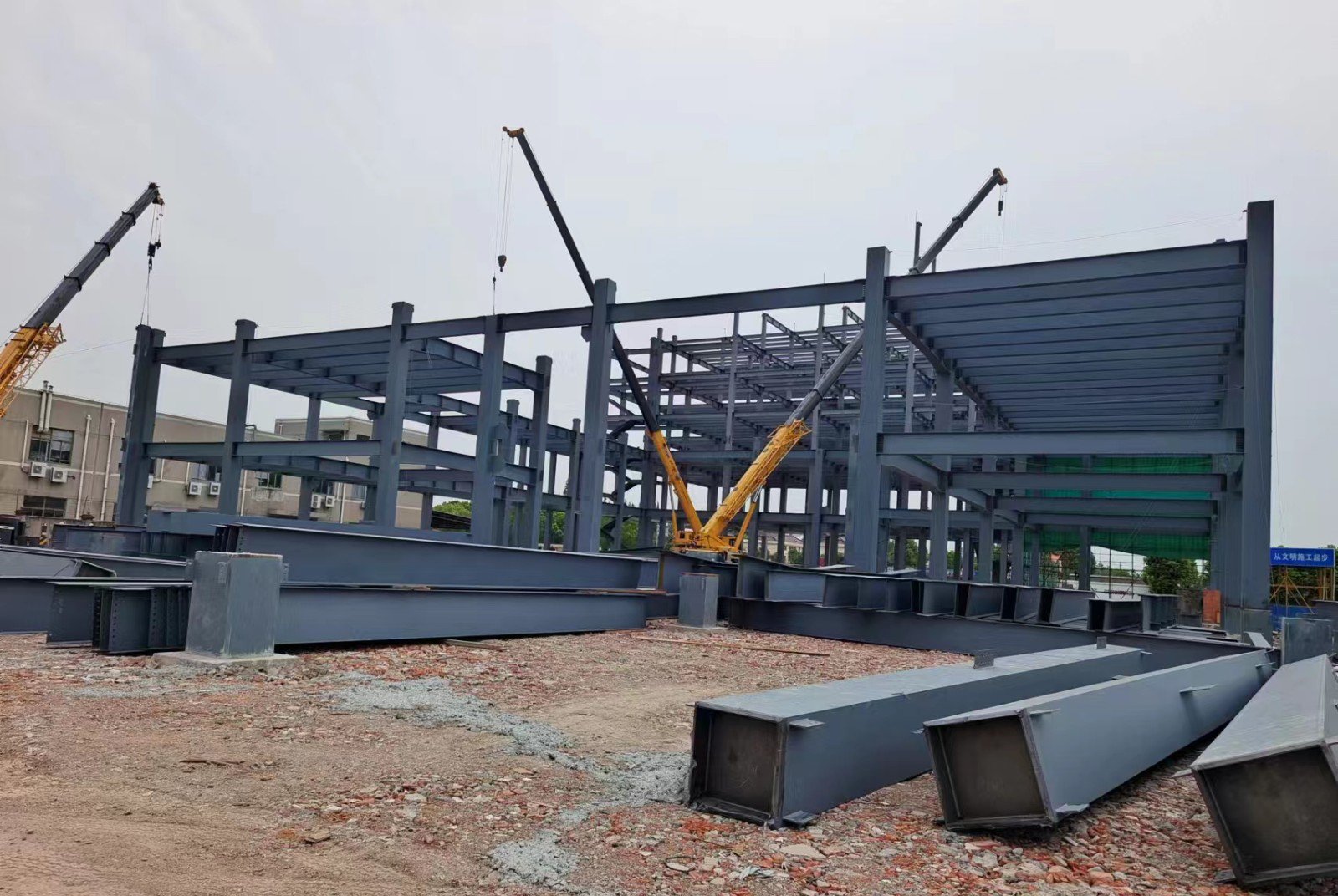
Finally, working with experienced teams ensures technical reliability and cost transparency. A study published by Engineering Structures highlighted that projects involving early collaboration among designers, fabricators, and contractors achieved 18% lower overall costs. (Elsevier, 2023)
A qualified supplier can provide customized solutions, optimized layouts, and accurate cost estimations. This integrated approach minimizes risks and ensures efficient project delivery.
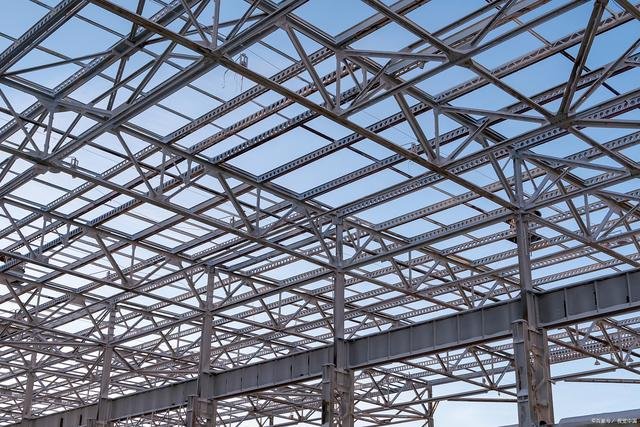
In conclusion, achieving a high cost-performance steel structure solution depends on thoughtful planning and teamwork. By optimizing design, choosing smart materials, streamlining fabrication, and focusing on long-term value, engineers can deliver durable, efficient, and affordable structures. With modern technology and collaboration, steel construction continues to be one of the most reliable and economical choices in today’s engineering landscape.
Contact us, get the steel construstion quote now!