
Easy Parking Starts Here
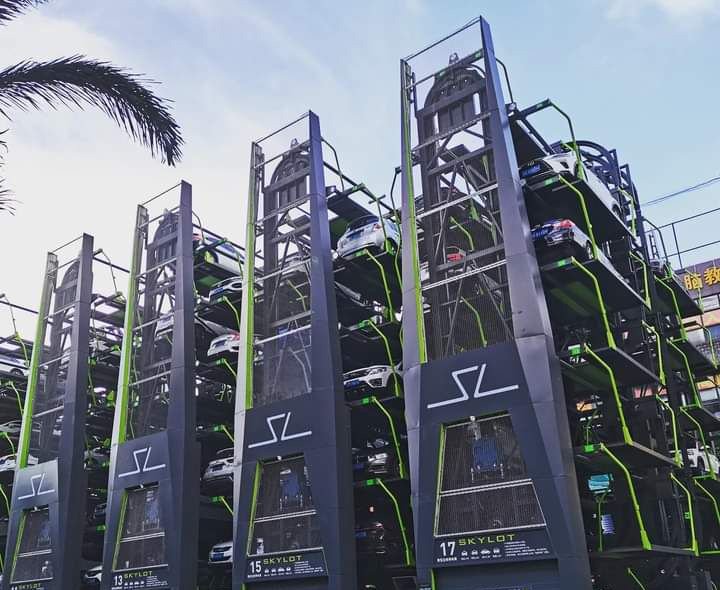
Urbanization is accelerating at an unprecedented pace. According to the United Nations, nearly 68% of the global population is expected to live in urban areas by 2050. This rapid shift is transforming how cities allocate space, manage infrastructure, and balance economic growth with sustainability. Among the many challenges emerging from this trend, parking has become a critical issue. Limited land resources and rising vehicle ownership are forcing cities to rethink traditional parking models. In this context, the mechanical parking system has become an increasingly important solution with strong economic value.
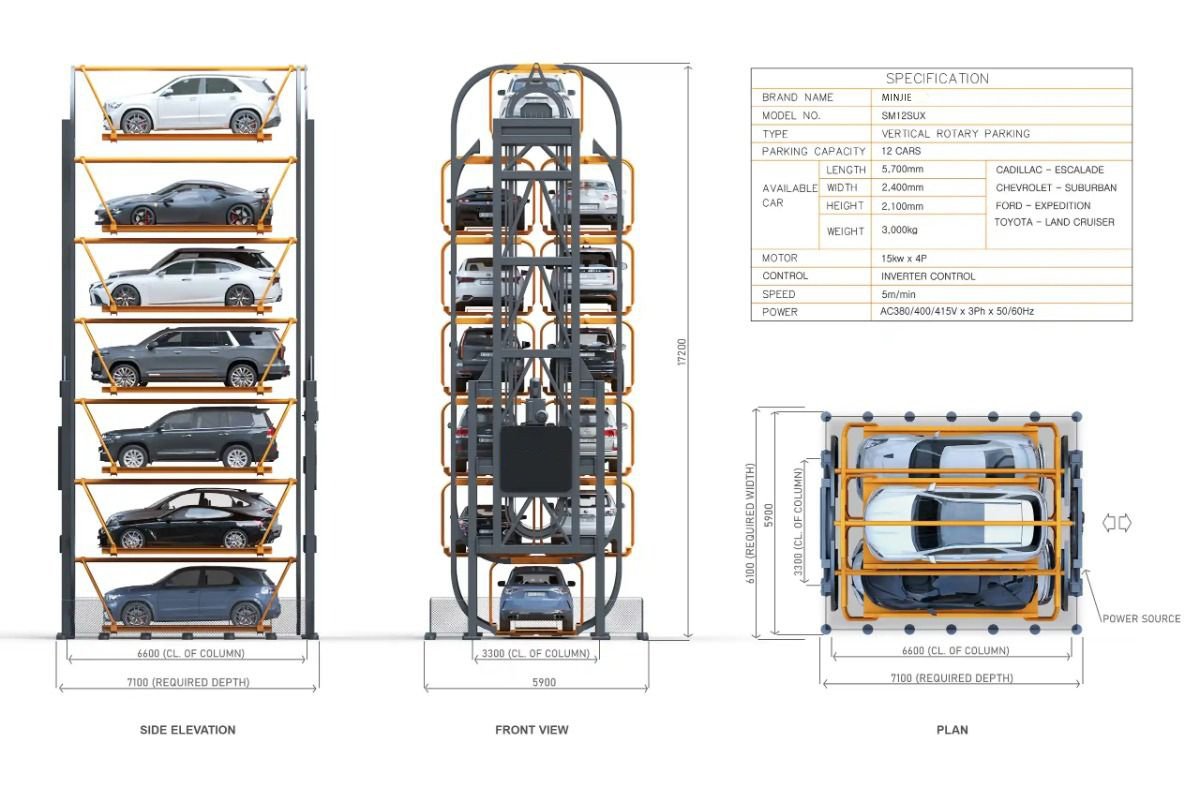
The Growing Urban Parking Problem
As cities expand, vehicle ownership continues to rise. Data from global mobility studies show that urban car ownership is increasing steadily, especially in developing economies. At the same time, land prices in central urban areas are reaching historic highs. This combination creates a clear imbalance between supply and demand for parking spaces.
Traditional parking infrastructure is inefficient in land use. A standard parking space, including circulation lanes, typically requires 30 square meters or more. In dense urban environments, this leads to high development costs and underutilized land value. Developers, investors, and city planners must therefore explore alternatives that can deliver higher efficiency.
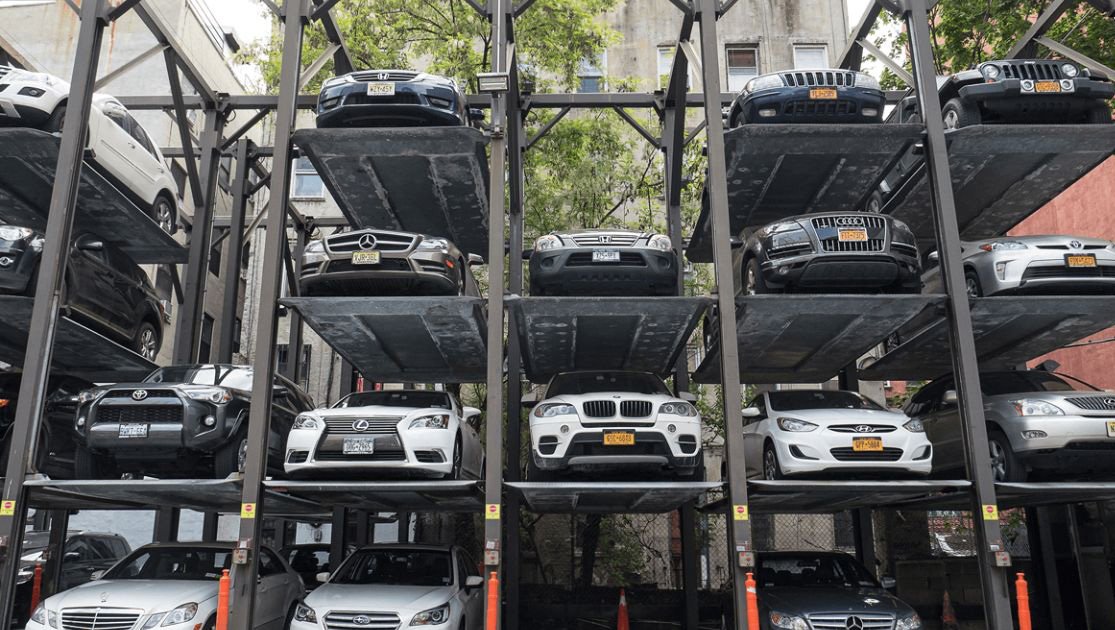
The mechanical parking system addresses this issue directly by enabling vertical and automated vehicle storage.
What Is a Mechanical Parking System?
A mechanical parking system uses automated equipment such as lifts, pallets, and conveyors to park and retrieve vehicles. Instead of relying on drivers to navigate multi-level garages, the system handles vehicle movement automatically or semi-automatically.
This approach significantly increases parking density. A mechanical parking system can often provide two to ten times more parking capacity compared to traditional methods within the same footprint. This makes it highly suitable for high-density cities, commercial developments, residential projects, and public infrastructure.
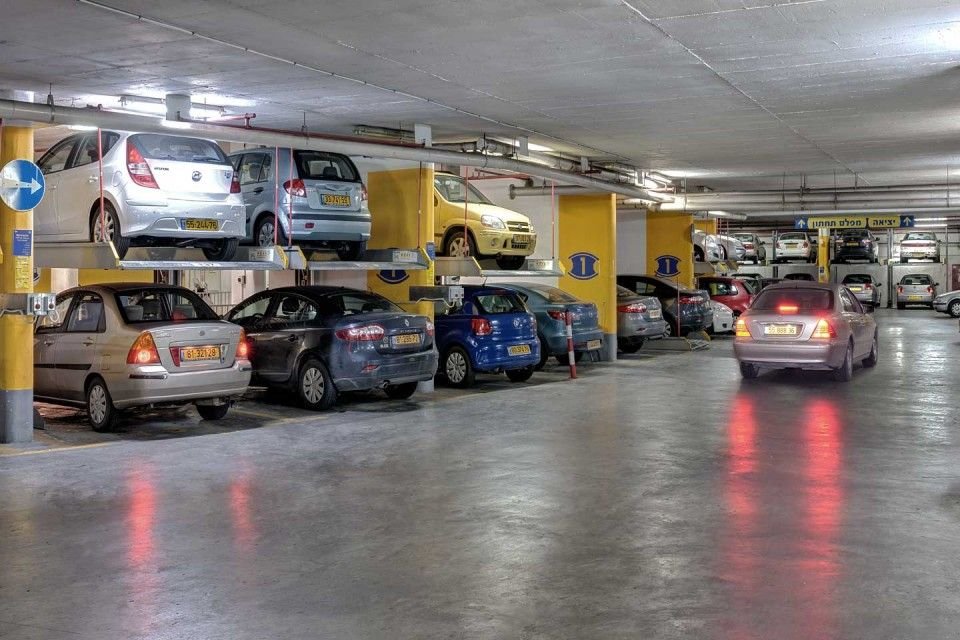
Economic Benefits of Mechanical Parking System
1. Improved Land Use Efficiency
Land is one of the most valuable resources in urban development. By stacking vehicles vertically, a mechanical parking system reduces the amount of land required for parking. Developers can allocate more space to revenue-generating functions such as retail or residential units.
Studies on urban land efficiency indicate that optimizing land use can significantly improve project returns. Higher density utilization translates directly into higher economic output per square meter.
2. Reduced Construction Costs
Building underground parking structures involves excavation, waterproofing, ventilation, and safety systems, all of which increase costs. In contrast, a mechanical parking system often requires less excavation and can be installed more quickly due to its modular design.
This modularity also allows developers to scale projects based on demand, reducing financial risk and improving capital efficiency.
3. Lower Operating Costs
Automated parking systems consume less energy compared to traditional garages. They require minimal lighting, reduced ventilation, and fewer personnel for operation. According to research on automated parking efficiency, energy savings can reach up to 40% in certain configurations.
A mechanical parking system also reduces vehicle circulation within the structure, which lowers maintenance requirements and extends the lifespan of infrastructure.
4. Enhanced Safety and Security
Traditional parking areas are prone to accidents, theft, and vandalism. Automated systems eliminate the need for drivers to enter parking zones, reducing these risks. Vehicles are stored in controlled environments, improving overall security.
This can lead to lower insurance costs and increased property value. A mechanical parking system contributes not only to operational efficiency but also to financial stability through risk reduction.
5. Environmental and Social Benefits
Parking inefficiencies contribute to urban congestion and emissions. Drivers often spend significant time searching for available spaces, which increases fuel consumption and air pollution.
Automated systems reduce this issue by streamlining the parking process. A mechanical parking system helps decrease traffic congestion and supports sustainable urban development. Improved environmental performance can also enhance a project’s compliance with green building standards.
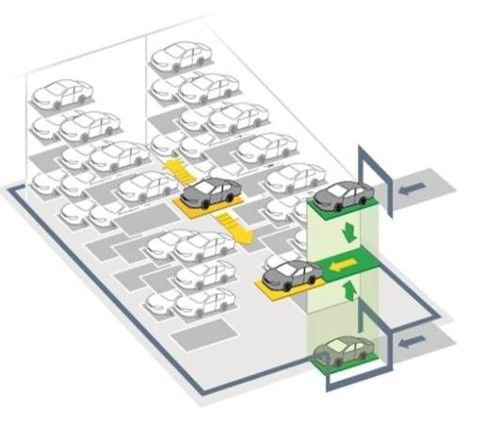
Key Application Scenarios
Residential Projects: In densely populated areas, parking availability is a major factor influencing property value. Developers can use a mechanical parking system to provide more spaces without increasing land use, making properties more attractive to buyers.
Commercial Developments: Shopping centers and office buildings require efficient parking turnover. Automated systems improve accessibility and reduce waiting times, enhancing customer experience and increasing commercial activity.
Public Infrastructure: Facilities such as airports, hospitals, and transit hubs benefit from reliable and scalable parking solutions. A mechanical parking system can handle high volumes efficiently while maintaining consistent performance.
Why Choose Minjie Machinery’s Mechanical Parking System?
Selecting the right provider is essential when implementing a mechanical parking system. Minjie Machinery offers a comprehensive approach to customized parking solutions. Contact us.
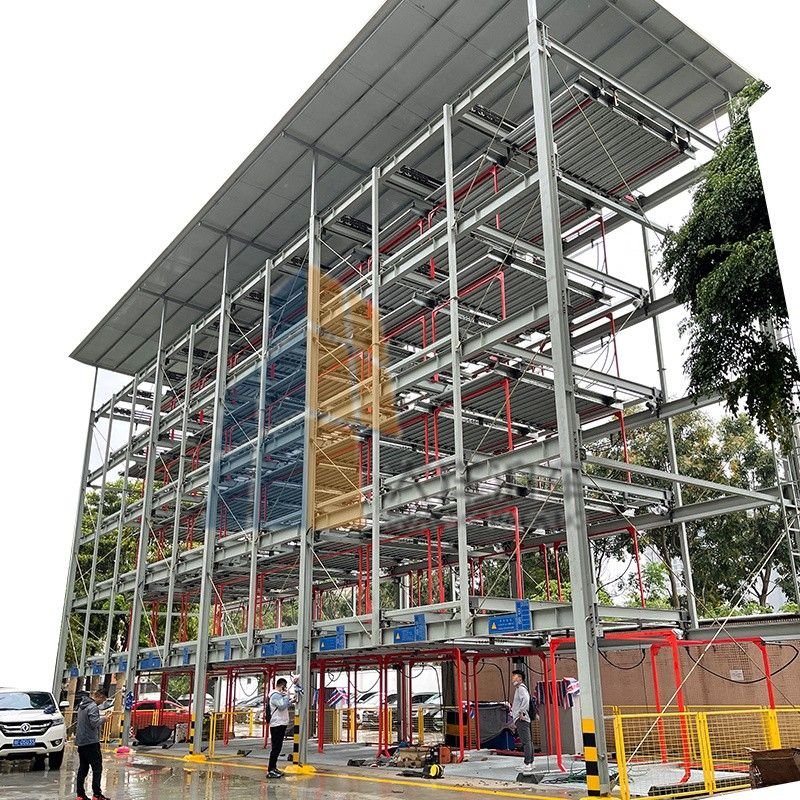
Customized Engineering: Minjie Machinery designs each project based on site-specific conditions and client requirements. This ensures optimal use of space and maximum operational efficiency.
Advanced Technology Integration: The company uses modern control systems and high-quality components to ensure reliability and safety. Each mechanical parking system is built to deliver long-term performance with minimal downtime.
End-to-End Service: From planning and design to installation and maintenance, Minjie Machinery provides full lifecycle support. This simplifies project execution and ensures consistent quality.
Industry Experience: With extensive experience across multiple sectors, Minjie Machinery has the expertise to deliver complex projects successfully. Their solutions are adaptable, efficient, and future-ready.
Future Outlook
Urban mobility is evolving rapidly. Smart technologies such as IoT, artificial intelligence, and data analytics are reshaping infrastructure systems. A mechanical parking system can integrate with these technologies to provide real-time monitoring, automated billing, and predictive maintenance.
The rise of electric vehicles also presents new opportunities. Automated parking facilities can incorporate charging infrastructure, supporting the transition to cleaner transportation.
The challenges of urbanization require innovative and efficient solutions. Parking, as a critical component of urban infrastructure, must evolve to meet modern demands. The mechanical parking system offers a practical, scalable, and economically valuable alternative to traditional parking methods.
By improving land use efficiency, reducing costs, enhancing safety, and supporting sustainability, this technology plays a key role in modern city development. With its strong capabilities in customization and engineering, Minjie Machinery is well-positioned to help developers and planners implement effective parking solutions.
As cities continue to grow, adopting advanced systems like the mechanical parking system will be essential for building sustainable and economically resilient urban environments.
- United Nations DESA. World Urbanization Prospects 2018.
https://population.un.org/wup/ - International Transport Forum. Urban Mobility Trends.
https://www.itf-oecd.org/urban-mobility - International Energy Agency. Energy Efficiency in Buildings.
https://www.iea.org/reports/energy-efficiency-2022 - World Resources Institute. Reducing Urban Traffic Congestion.
https://www.wri.org/insights/reducing-traffic-congestion - ScienceDirect. Automated Parking Systems Review.
https://www.sciencedirect.com/topics/engineering/automated-parking-system - MDPI Sustainability Journal. Urban Land Use Efficiency Studies.
https://www.mdpi.com/journal/sustainability